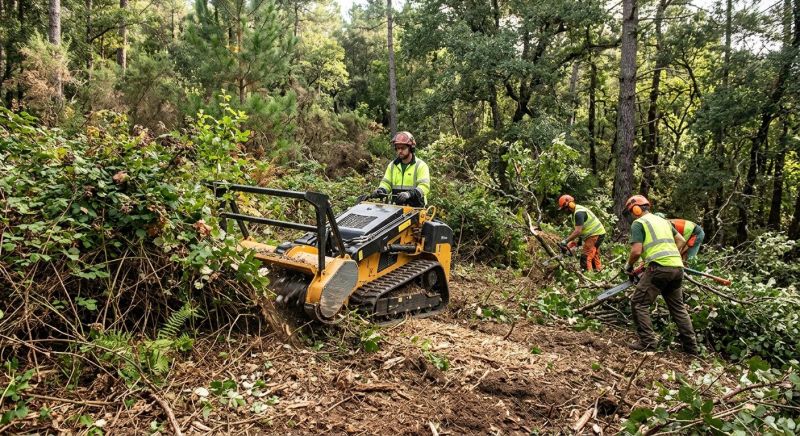
Underbrush Clearing in Houston, TX
Underbrush clearing services involve removing dense, overgrown vegetation, brush, and small trees that can clutter a property and hinder its appearance or usability. These projects often include clearing out neglected areas, preparing land for landscaping or new construction, and maintaining safety around overgrown patches that may harbor pests or pose fire risks. Property owners typically want to understand the scope of clearing, the types of vegetation that will be removed, and how the process can improve their outdoor space’s safety and appearance.
Before requesting underbrush clearing, homeowners should consider the extent of overgrowth, the presence of any protected or hazardous plants, and whether permits are required for certain land modifications. Clarifying the desired outcome-such as creating open space, enhancing curb appeal, or reducing fire hazards-can help ensure the project aligns with expectations. Understanding the property’s terrain and accessibility can also influence the approach and tools used during the clearing process.
Many property owners in Houston, TX look into Underbrush Clearing for repairs, replacements, upgrades, and appearance-related improvements.
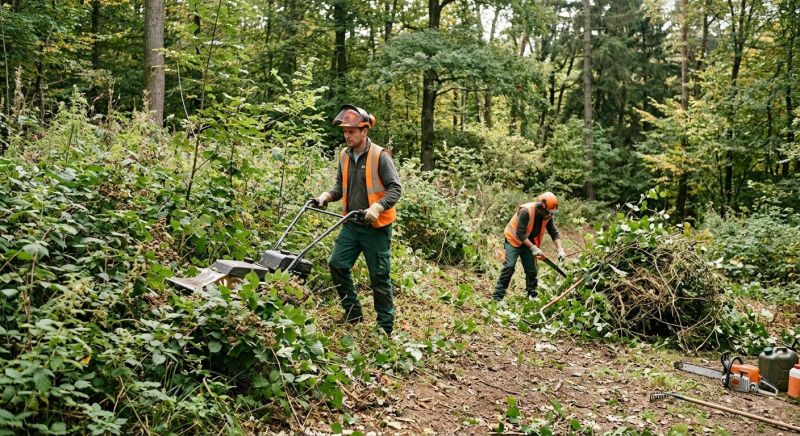
Benefits Of Underbrush Clearing
Removing underbrush helps improve safety and enhances the appearance of your property.
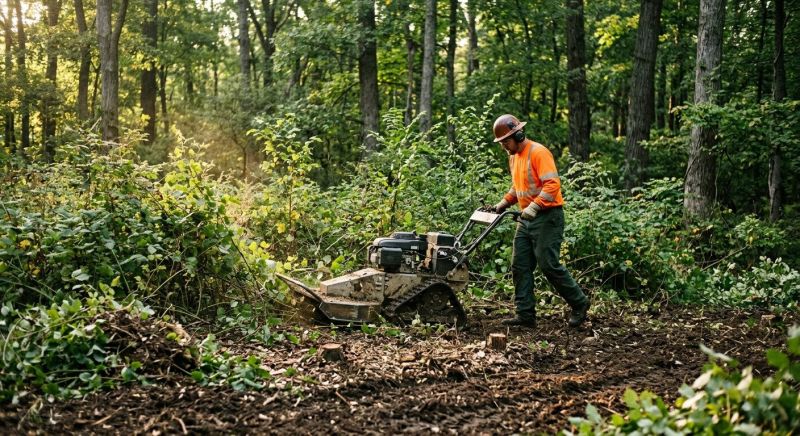
Common Projects
Underbrush clearing is often requested for fire prevention, landscaping, and property expansion in houston.
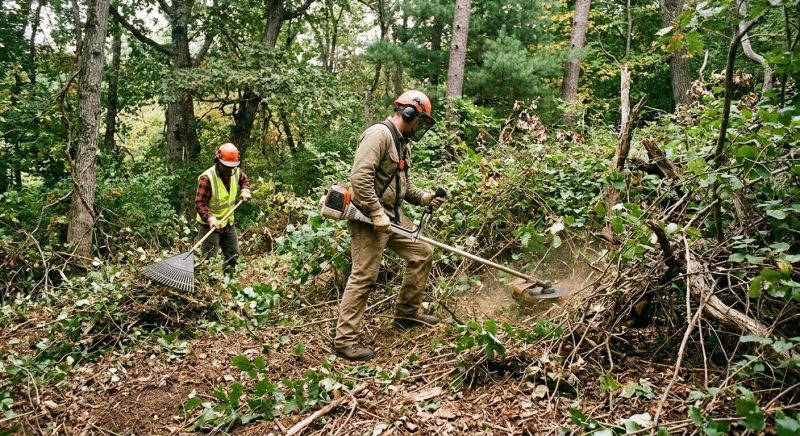
What To Expect
The process involves removing dense vegetation to create open, manageable spaces on residential and commercial properties.
Underbrush Clearing in Houston, TX

Underbrush clearing services involve removing dense, overgrown vegetation, brush, and small trees that can clutter a property and hinder its appearance or usability. These projects often include clearing out neglected areas, preparing land for landscaping or new construction, and maintaining safety around overgrown patches that may harbor pests or pose fire risks. Property owners typically want to understand the scope of clearing, the types of vegetation that will be removed, and how the process can improve their outdoor space’s safety and appearance.
Before requesting underbrush clearing, homeowners should consider the extent of overgrowth, the presence of any protected or hazardous plants, and whether permits are required for certain land modifications. Clarifying the desired outcome-such as creating open space, enhancing curb appeal, or reducing fire hazards-can help ensure the project aligns with expectations. Understanding the property’s terrain and accessibility can also influence the approach and tools used during the clearing process.
Many property owners in Houston, TX look into Underbrush Clearing for repairs, replacements, upgrades, and appearance-related improvements.
Common Underbrush Clearing Jobs
Underbrush Clearing - Removes overgrown vegetation to improve property appearance and safety.
Wildfire Prevention - Clears dense undergrowth to reduce fire risk around homes.
Landscape Maintenance - Keeps yard areas tidy by removing invasive plants and debris.
Trail and Path Clearing - Creates clear walkways through wooded or overgrown areas.
Property Cleanup - Eliminates brush and plant matter after storms or storm damage.
Firebreak Creation - Establishes barriers by clearing underbrush to protect structures.
Underbrush Clearing Questions
What is underbrush clearing? Underbrush clearing involves removing shrubs, small trees, and dense vegetation to improve property appearance and safety.
When should underbrush be cleared? Clearing is typically done to reduce fire risk, improve landscaping, or prepare for construction projects.
What tools are used for underbrush clearing? Common tools include chainsaws, brush cutters, and pruning shears to handle various types of vegetation.
Is underbrush clearing necessary for property maintenance? Yes, it helps prevent overgrowth, reduces pests, and maintains a tidy, accessible landscape.
Request Underbrush Clearing in Houston, TX
Use the quote form on this page to share the basics of your project and request more information for the type of work you need.