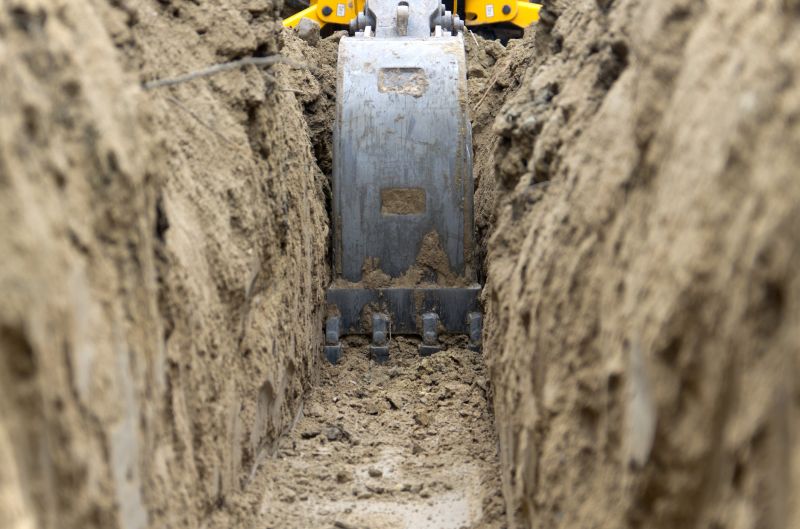
Ditch Digging in Atlanta, GA
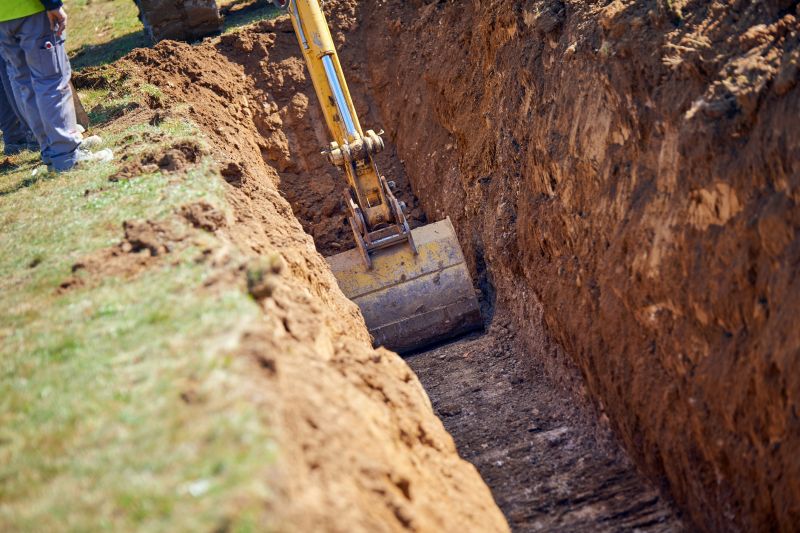
Ditch digging services involve the excavation of narrow trenches or larger holes within a property to facilitate various construction and installation projects. Homeowners often request this service for tasks such as installing new plumbing lines, electrical wiring, irrigation systems, or drainage solutions. The process typically requires careful planning to ensure proper depth and placement, and it may involve removing soil and debris to create a suitable space for the intended infrastructure.
Before requesting ditch digging services, property owners usually want to understand the scope of the project, including the length and depth of the trenches, as well as any potential impact on existing structures or landscaping. It’s also helpful to consider the location of underground utilities to prevent accidental damage. Clear communication about the project’s purpose and details can help ensure the excavation is performed efficiently and safely, meeting the specific needs of the property.
Many property owners in Atlanta, GA look into Ditch Digging for repairs, replacements, upgrades, and appearance-related improvements.
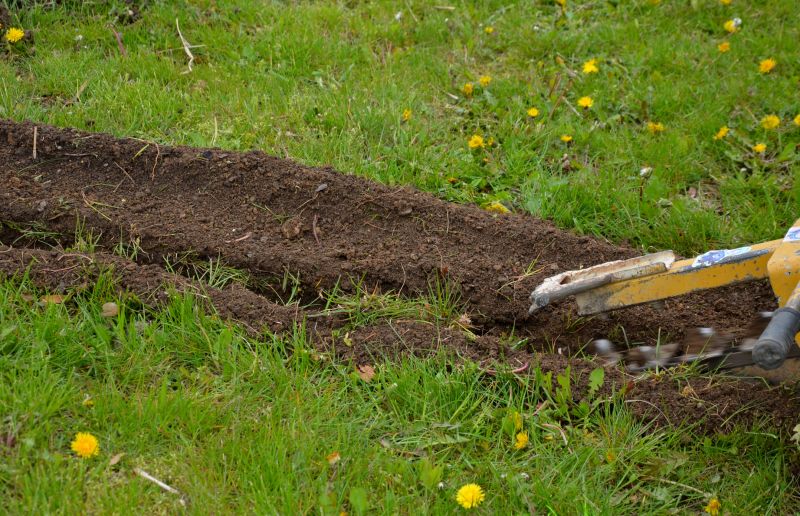
Residential Ditch Digging
Ideal for installing new irrigation lines or drainage systems around atlanta homes.
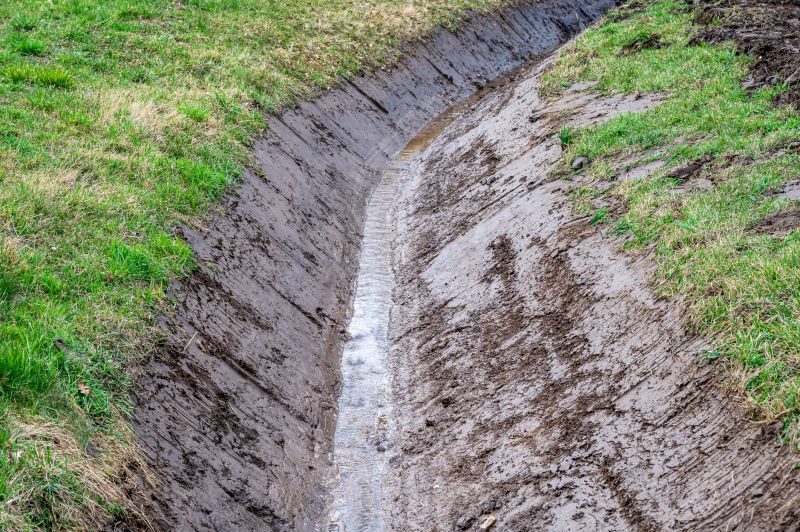
Utility Line Installation
Supports the safe placement of electrical, water, or sewer lines on your property.
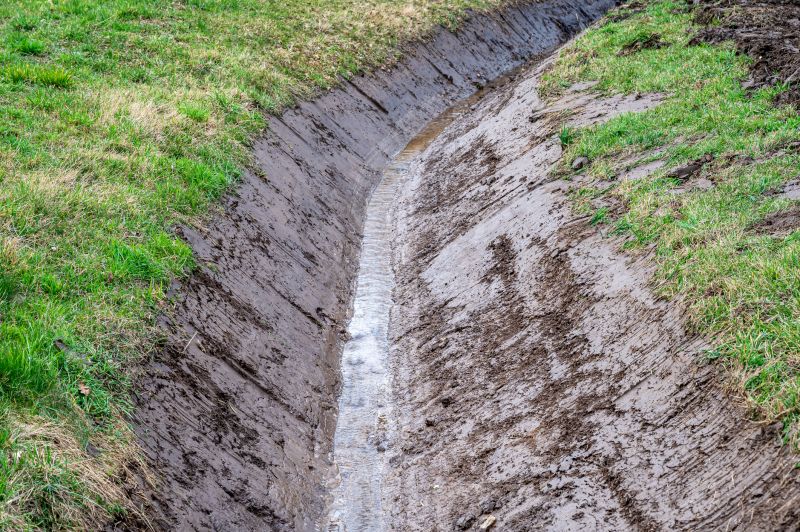
Landscaping And Drainage Solutions
Helps improve yard drainage and prepare land for new landscaping projects.
Ditch Digging in Atlanta, GA

Ditch digging services involve the excavation of narrow trenches or larger holes within a property to facilitate various construction and installation projects. Homeowners often request this service for tasks such as installing new plumbing lines, electrical wiring, irrigation systems, or drainage solutions. The process typically requires careful planning to ensure proper depth and placement, and it may involve removing soil and debris to create a suitable space for the intended infrastructure.
Before requesting ditch digging services, property owners usually want to understand the scope of the project, including the length and depth of the trenches, as well as any potential impact on existing structures or landscaping. It’s also helpful to consider the location of underground utilities to prevent accidental damage. Clear communication about the project’s purpose and details can help ensure the excavation is performed efficiently and safely, meeting the specific needs of the property.
Many property owners in Atlanta, GA look into Ditch Digging for repairs, replacements, upgrades, and appearance-related improvements.
Common Ditch Digging Jobs
Drainage System Installation - trenches are dug to install or repair underground drainage pipes.
Sewer Line Replacement - involves removing and replacing damaged or aging sewer pipes.
Utility Line Excavation - creates access for installing or repairing water, gas, or electrical lines.
Foundation Drainage - trenches are dug around foundations to improve water runoff and prevent flooding.
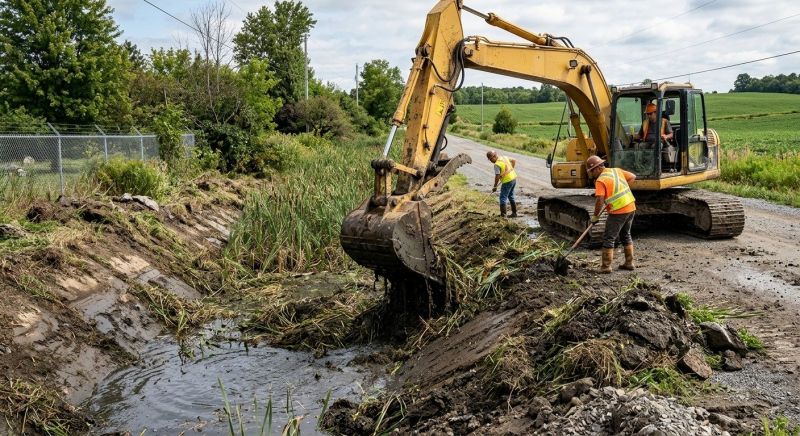
Landscape Drainage Solutions - channels are installed to direct excess water away from yards and gardens.
Emergency Ditching Services - rapid excavation for urgent water removal or flood prevention needs.

Ditch Digging Questions
What types of projects require ditch digging services? Ditch digging is often needed for installing drainage systems, irrigation lines, or underground utilities on residential properties.
Is ditch digging suitable for small or large properties? Ditch digging can be performed on properties of various sizes, depending on the project's scope and purpose.
What should property owners consider before scheduling ditch digging? It's important to identify underground utilities and ensure proper permits are obtained before digging begins.
How deep can ditch digging services typically go? Ditches are usually dug to accommodate the specific installation requirements, often ranging from a few inches to several feet deep.
Request Ditch Digging in Atlanta, GA
Use the quote form on this page to share the basics of your project and request more information for the type of work you need.